

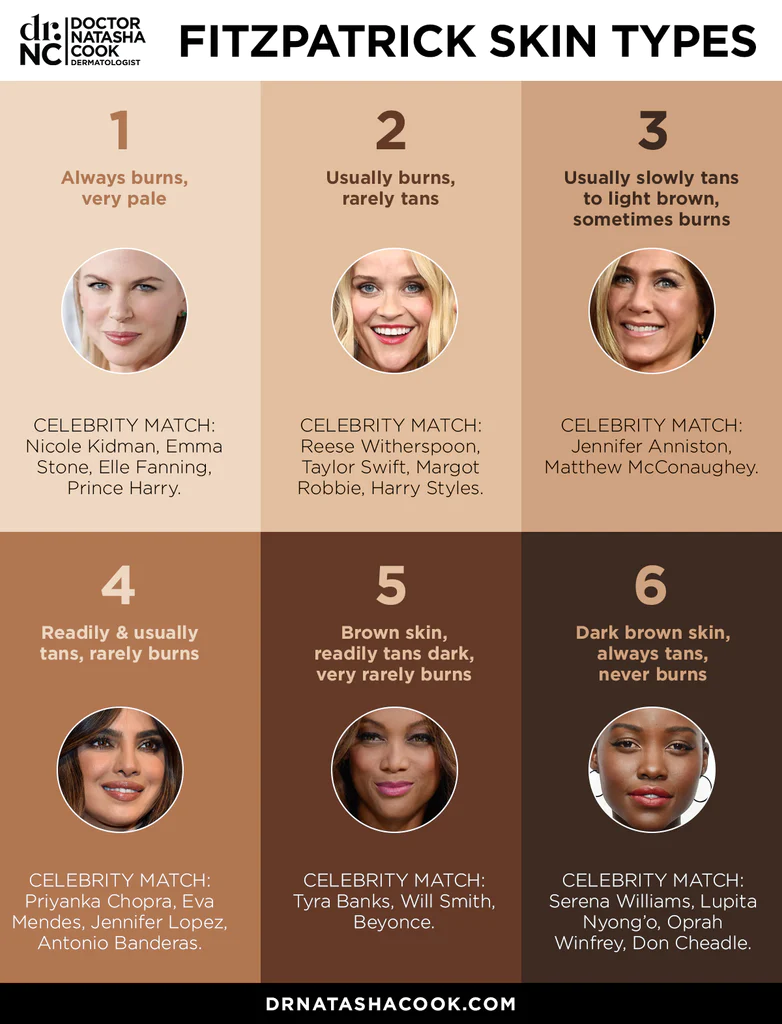
What’s Your Fitzpatrick Skin Type?
At-home laser hair removal for dark skin is a significant undertaking that requires understanding what your skin and hair needs.
One of the essential things you need to know before starting is your Fitzpatrick Skin Type.
It's important to know your Fitzpatrick Skin Type to make informed decisions when choosing products and customizing your laser hair removal plan.[1]
This not only affects the effectiveness of your treatments but also ensures optimal results based on your unique skin characteristics.
This self-assessment is particularly important for those with dark complexions because treating darker skin brings additional risks.[2]
For instance, since darker skin contains more melanin, it is more susceptible to absorbing excessive laser energy, leading to complications like hyperpigmentation or burns.
You need to make sure that your at-home hair removal device is suitable for your specific skin type to achieve safe and effective results.[3]

Ask the Expert: What is the best at home laser hair removal for dark skin?
BY ANGELICA ROSSINO, MEDICAL AESTHETICIAN & LASER TECHNICIAN
Laser hair removal is not a one-size-fits-all solution, and consideration of different skin tones and hair colors is crucial for ensuring the safety and efficacy of your treatments.[4]
If you've looked around for at-home laser hair removal, you'll notice that most devices only cover light to medium skin tones and dark hair.
This is due to the nature of how laser hair removal works, and not necessarily because of how a device is built.[5]
Here are the key things you should know about laser hair removal at home for dark skin:
How Laser Hair Removal Works
Laser hair removal is a process that involves using a concentrated beam of light to target the hair follicles.
The heat generated by the laser is absorbed by the pigment in the hair follicles (melanin), which damages the roots and inhibits future hair growth.
This technique is most effective on fair skin with dark hair, as the contrast in melanin helps the laser to precisely target the hair follicles.[6]
Why Regular Lasers Won't Work on Dark Skin
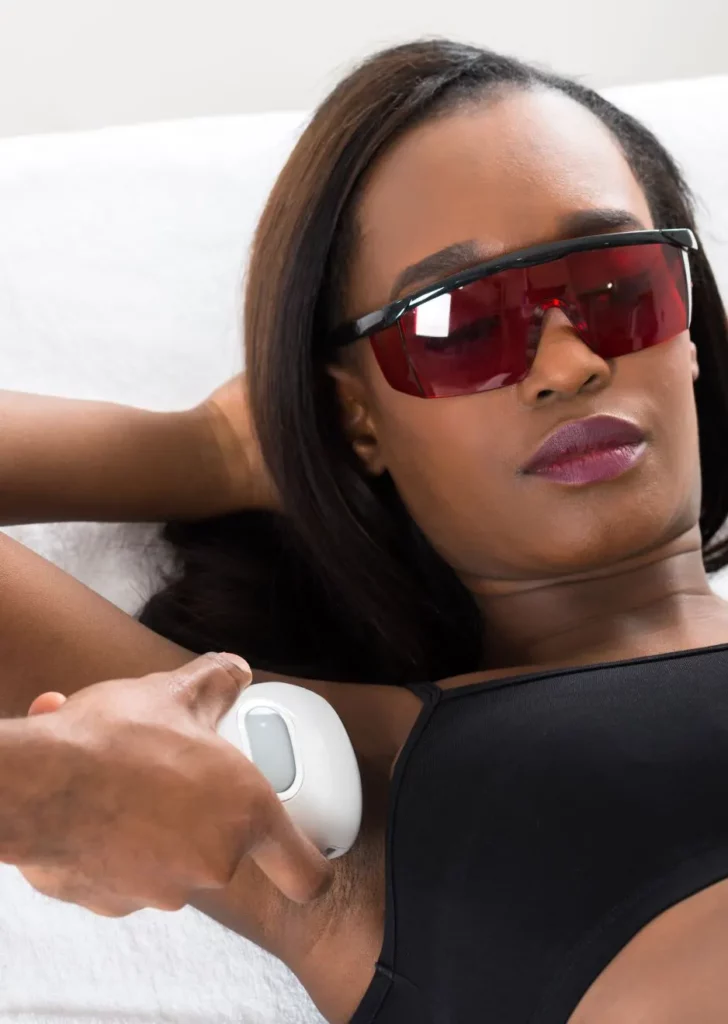
Using regular lasers and IPL for hair removal may not be safe and effective on dark skin.
This is because it can unintentionally target both melanin in your skin and your hair.
If the heat meant for your hair is absorbed by your skin, you can get burned or suffer from hyperpigmentation. Besides being dangerous, it can also be very painful.
The problem with regular lasers is that they can't differentiate between hair follicles and the surrounding skin if they are similar in coloring.
You need specialized lasers or IPL in combination with specific parameters to make laser hair removal work safely and effectively on dark skin.[7]
You must choose a laser hair removal device designed for your darker complexion to prevent damaging your skin.
Type of Lasers for Dark Skin
Specialized lasers, like diode laser or Nd:YAG lasers, are suitable for dark skin.[8]
They operate at specific wavelengths, typically around 800-1064 nm, that penetrate deeper, minimizing melanin absorption in the skin.[9]
These lasers are designed to effectively target hair follicles while reducing the risk of adverse effects on darker skin tones.
Professional vs. At-Home Laser Hair Removal for Dark Skin
Choosing the right laser hair removal device can be difficult, especially for those with darker skin tones.
As of today, there are no Nd:YAG lasers available for home use.
Your next best option will be a diode laser that emits wavelengths between 800-1064 nm. (The only one available is a hybrid machine called the ViQure EpiPro, which we've reviewed down below.)[10]
Alternatively, IPL devices with this wavelength can also work.[11]
To ensure maximum safety and efficacy of your hair removal treatments, we've chosen the best devices clinically validated for darker skin tones.
- What’s Your Fitzpatrick Skin Type?
- Ask the Expert: What is the best at home laser hair removal for dark skin?
- Buying Cheat Sheet: The Best Laser Hair Removal for Dark Skin at Home
- Cheat Sheets: Laser Hair Removal Devices for Dark Skin
- Esthetician's Choice: The Best At-Home IPL & Laser Hair Removal Devices
- Additional Safety Considerations for Darker Skin Tones
- Factors to Consider When Choosing a Home Laser Hair Removal Device for Dark Skin
- References:
- ViQure Coupon Codes
- Silk’n Infinity Coupon Codes
- JOVS IPL Coupon Codes
- Braun IPL Coupon Codes
- Ulike Discount Codes & Coupon Codes
- Happy Curves Coupon Codes
Buying Cheat Sheet: The Best Laser Hair Removal for Dark Skin at Home
Our team of estheticians have operated and tested over 35 professional laser hair removal machines over the years.
These FDA-approved devices are our current choices for the best at home laser hair removal for dark skin in the market today.
For Fitzpatrick I-VI (All Skin Tones)
ViQure EpiPro for Salon & Home Use
BEST AT-HOME LASER HAIR REMOVAL DEVICE (OVERALL inc. DARK SKIN / BLONDE HAIR / FACE / BRAZILIAN)
Combines a high-energy 808nm diode laser with TEC cooling, making this more effective than any IPL device.
This unique hybrid machine is from a brand that caters to Medspas. This allows you to get virtually unlimited treatments from the same tech professionals use.
If you have the budget to invest, the ViQure EpiPro is the best at-home laser hair removal money can buy.
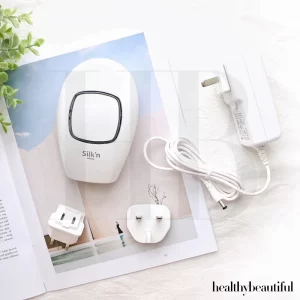
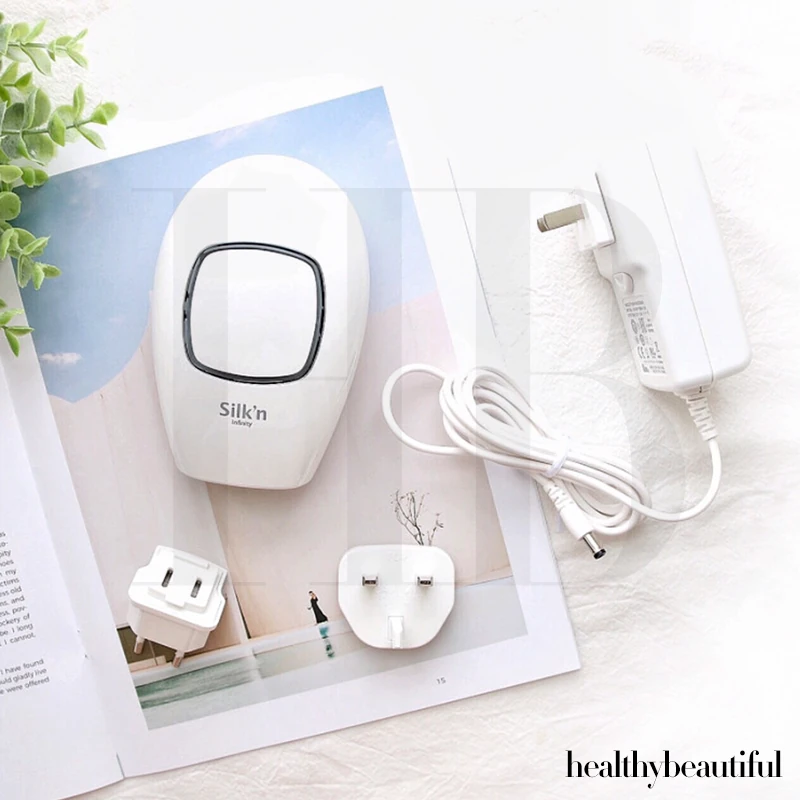
Silk’n Infinity
BEST IPL HAIR REMOVAL FOR DARK SKIN
If you're looking for a budget-friendly IPL for dark skin, the Silk'n Infinity is your best bet.
It’s exclusive eHPL™ technology overcomes the limitations of traditional IPL, offering safe & effective results without side effects.
For Fitzpatrick I-V (Dark Brown Skin)
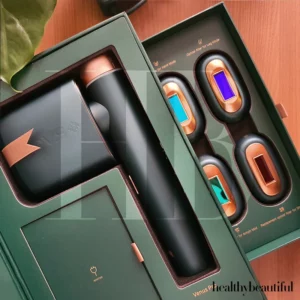
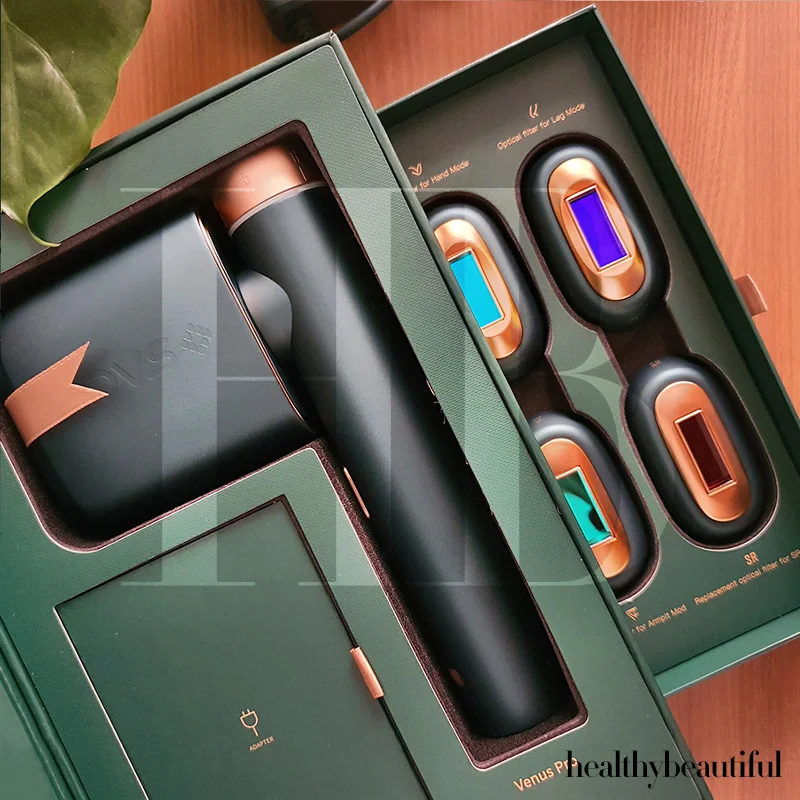
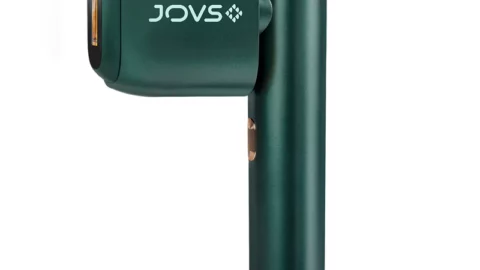
JOVS Venus Pro
MOST INNOVATIVE IPL
Known as “The Dyson of Laser Hair Removal,” the award-winning JOVS Venus Pro is known for its exceptional design & build quality.
This futuristic IPL + Skin Rejuvenation device delivers painless treatments using cutting-edge OPT & Sapphire ICE technology.
It also features an ergonomic 330° Rotation Head that matches any curvature and 6 Body + 6 Level Modes that offer full-body treatments.
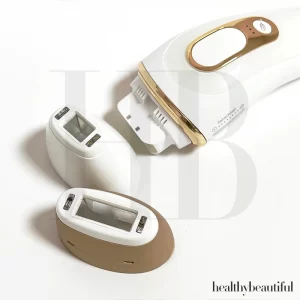
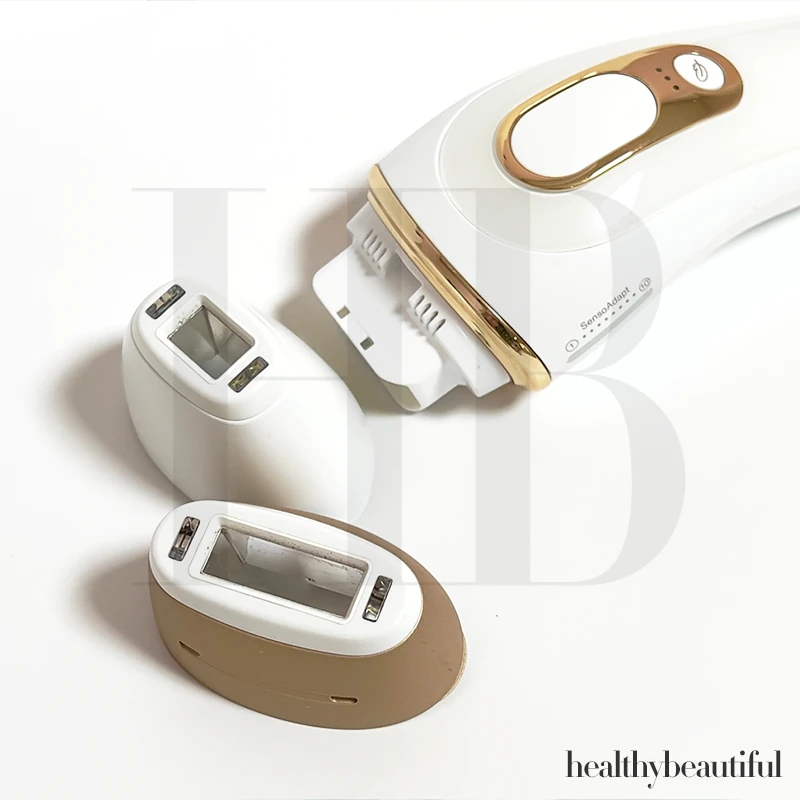
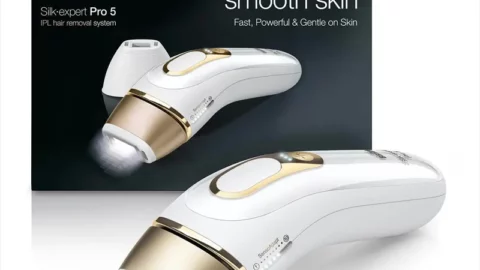
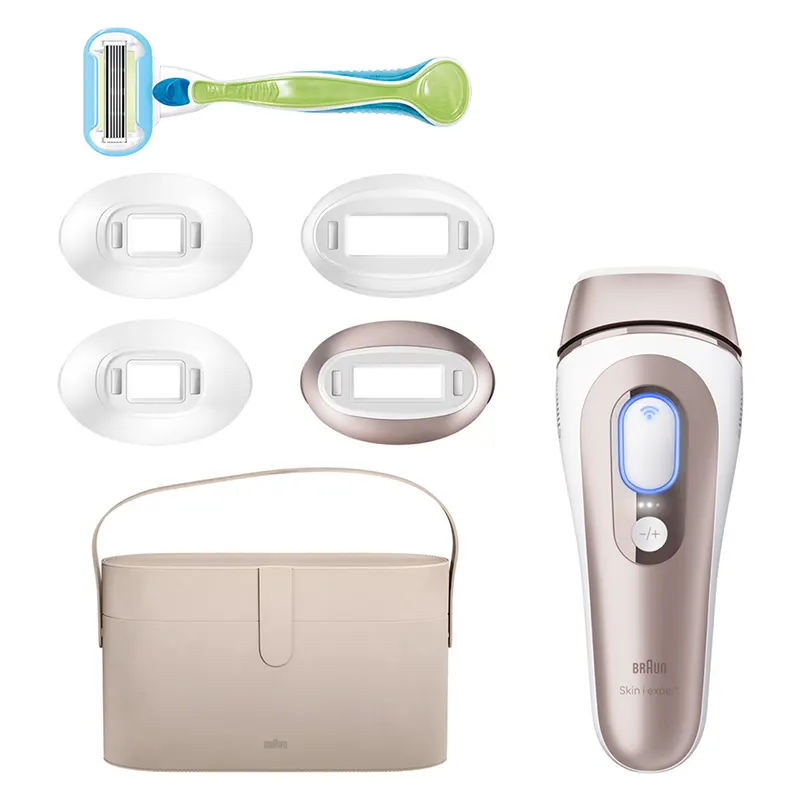
Braun Silk-Expert Pro 5
MOST USER-FRIENDLY IPL DEVICE
The Silk Expert Pro 5 is ELLE Editor's Choice 2021 and dermatologically accredited by the Skin Health Alliance.
Braun’s best IPL is incredibly beginner-friendly and takes the guesswork out of your treatments.
Its SensoAdapt™ sensor scans your skin tone & automatically sets it to the perfect energy fluence with every flash.
For Fitzpatrick I-IV (Brown/Olive Skin)
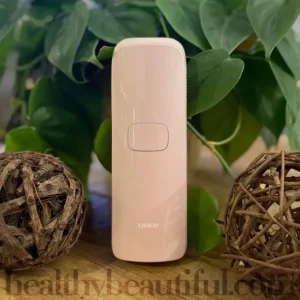
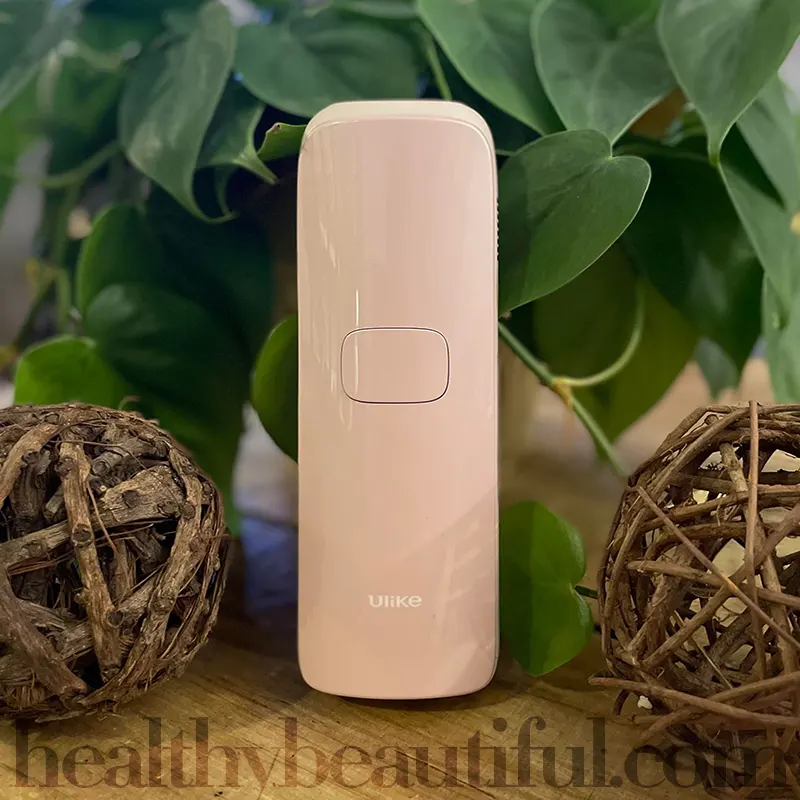
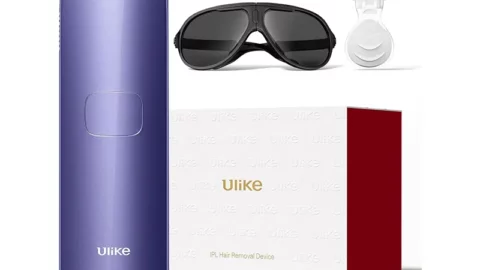
Ulike Sapphire Air3
BEST IPL DEVICE
Vogue's Best Laser Hair Removal Device of 2023 is incredibly fast, portable, and pain-free with its Sapphire Ice-Cooling Technology.
And with a whopping 1 million flashes & 30 international safety certifications, the extremely popular Ulike Sapphire Air3 reigns supreme among all IPL devices.
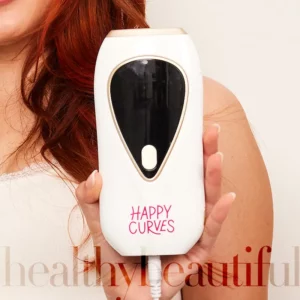
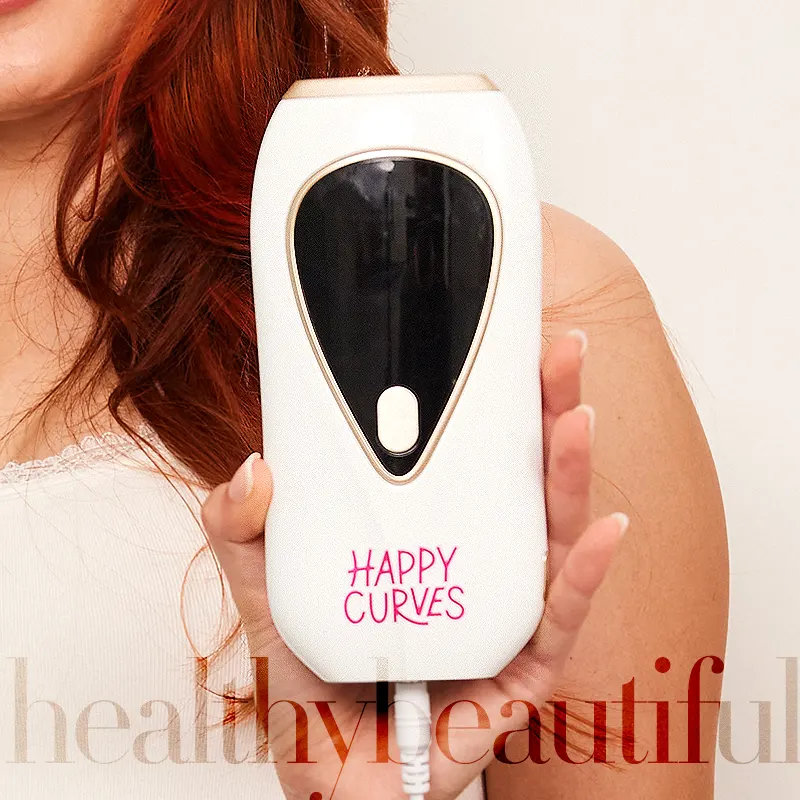
The Beam IPL
BEST BUDGET LASER HAIR REMOVAL
A great affordable alternative to high-end devices.
Boasts premium features like Smart Skin-Sensing, a digital display, contact sensors, and 600,000 flashes worth 20 years of treatments.
The Beam IPL is beginner-friendly & has unbelievable value for money.
Cheat Sheets: Laser Hair Removal Devices for Dark Skin
Esthetician Tip: Save time by process of elimination. Compare by skin tone coverage, technology, power, safety (cooling), and other features.
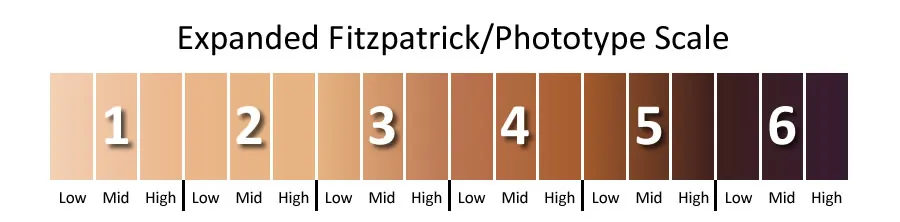
| wdt_ID | Image | Device/Brand | Product | Max Energy Fluence | Skin Tone Coverage | I | II | III | IV | V | VI | Cooling/Pain-free |
|---|---|---|---|---|---|---|---|---|---|---|---|---|
| 1 |  |
https://healthybeautiful.com/review/viqure-depimini-808nm-diode-laser-machine-in-depth-esthetician/ | ViQure EpiPro Diode Laser | 20.0 | I-VI | Y | Y | Y | Y | Y | Y | Advanced Thermoelectric Cooling + Wind Cooling (0°C~5°C) + Cooling gel |
| 2 |  |
https://healthybeautiful.com/JOVS-X-3-in-1-IPL | JOVS X™ 3-in-1 IPL (OPT) | 7.0 | I-V | Y | Y | Y | Y | Y | Sapphire Cooling System | |
| 3 |  |
https://healthybeautiful.com/Ulike-Air-10 | Ulike Air 10 | 6.7 | I-IV | Y | Y | Y | Y | 65°F/18°C | ||
| 4 |  |
https://healthybeautiful.com/review/ulike-sapphire-air3-an-in-depth-review-by-estheticians/ | Ulike Sapphire Air3 | 6.3 | I-IV | Y | Y | Y | Y | Sapphire Cooling 10-20°C (50-68°F) | ||
| 5 |  |
https://healthybeautiful.com/Bosidin-Pioneer-Pro-Official | BoSidin Pioneer-Pro (OPT) | 6.0 | I-V | Y | Y | Y | Y | Y | Dynamic Cooling Device (DCD) |
BEST IN: Power, COVERAGE, SAFETY, Innovation, & Function
| ViQure EpiPro | Ulike Sapphire Air3 | The Beam IPL | Silk’n Infinity | JOVS Venus Pro | Braun Silk-Expert Pro 5 | |
|---|---|---|---|---|---|---|
 |  |  |  |  |  | |
| Verdict: | Most Effective for All Skin Tones & Body Areas | Best IPL Device | Best Budget IPL | Best IPL Device for Dark Skin or Light Hair | Most Innovative IPL | Most User-Friendly IPL |
| Technology: | Diode Laser | IPL (Intense Pulsed Light) | IPL (Intense Pulsed Light) | eHPL™ technology (IPL + Galvanic Current) | Advanced Optimal Pulse Technology (OPT) + (MFCPT) + Skin Rejuvenation | IPL (Intense Pulsed Light) |
| Energy Fluence / Power: | Max 20 J/cm² | 6.3 J/cm² (Max 21 J) | 2.45 ~ 5 J/cm² | 2.5-4 J/cm² + 70-400 microampere (µA) Galvanic Current | 1 – 6 J/cm² | 3 – 6 J/cm² |
| Flashes: | 5,000,000 pulses | 1 Million built-in flashes | 600,000 flashes | “Unlimited” flashes | “Unlimited” flashes (500,000+) | 400,000 |
| Safety Mechanism: | Cooling System: Semiconductor + Wind (0°C~5°C), FREE glasses & goggles, Cooling gel (sold seperately) | Sapphire Ice-Cooling Technology, Automatic skin sensor, FREE IPL glasses | Skin contact sensors, Skin tone sensors, UV filter, FREE UV glasses, FREE mini-shaver | Automatic skin tone + contact sensor | Sapphire Skin-Cooling System + Contact sensors. Custom modes for each body part. Recessed flash window. FREE IPL glasses + Razor. | SensoAdapt Skin-tone Sensor, Contact sensors. |
| Skin Tone Coverage: | 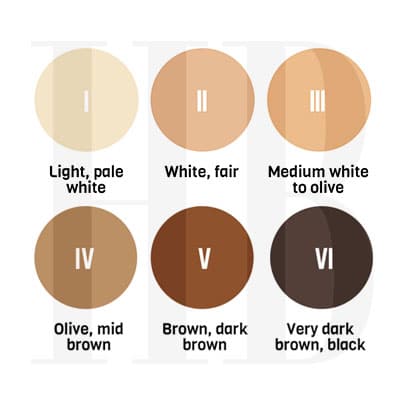 | 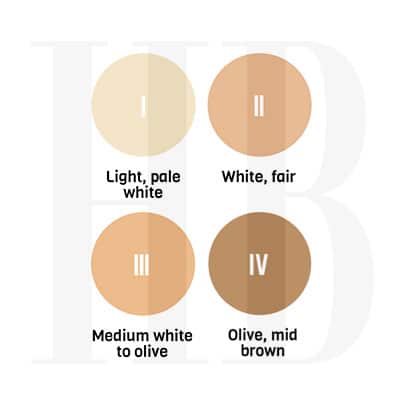 | | | 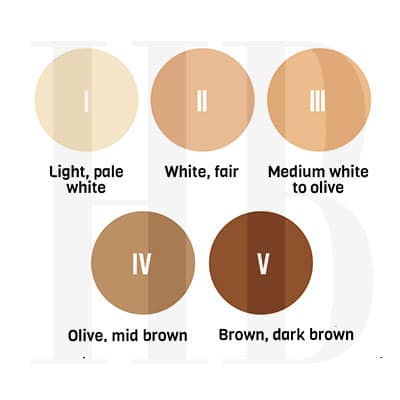 | |
| Hair Color Coverage: | 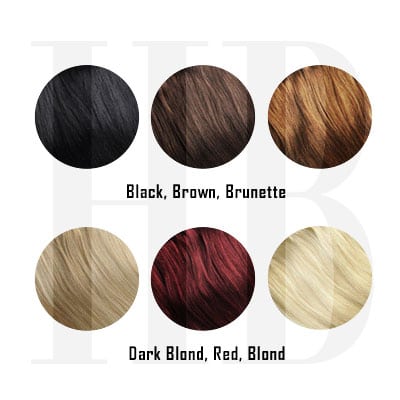 | 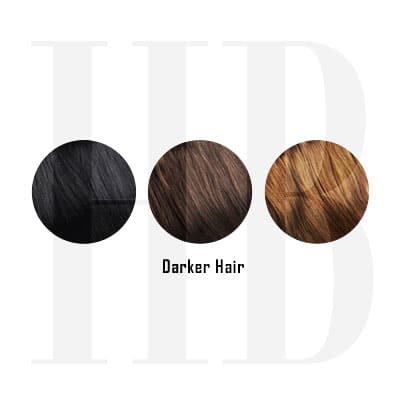 | | | | |
Esthetician's Choice:
The Best At-Home IPL & Laser Hair Removal Devices
Our estheticians and laser technicians have tested and reviewed the best-selling at-home laser hair removal devices on the market today.
Our top 5 are the ones that are cut above the rest in terms of technology used, product quality, performance, ease of use, value for money, and our personal experience with using the device. To see all the devices we've reviewed, click here.
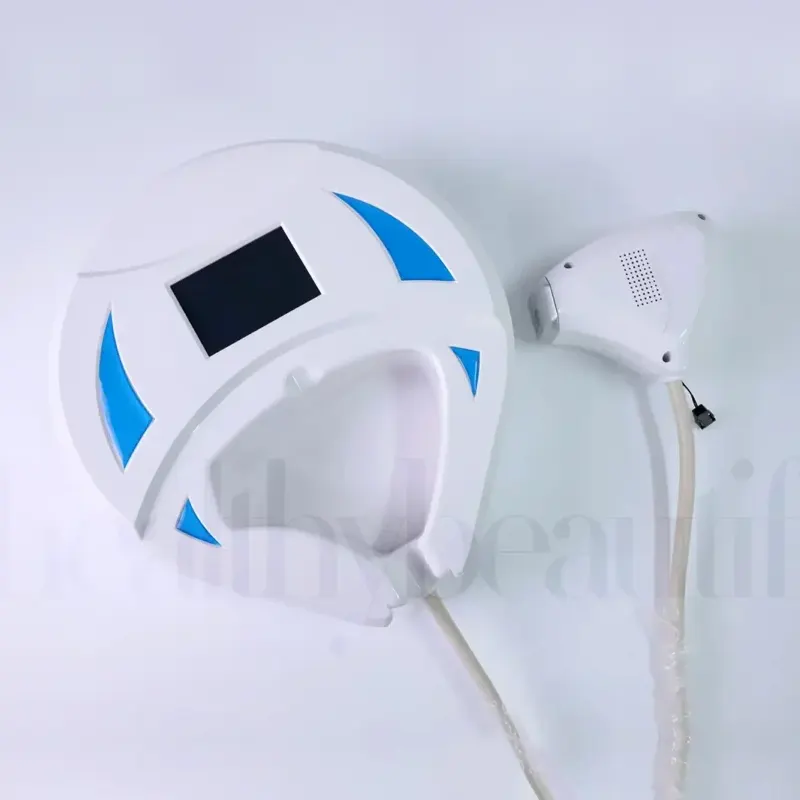
ViQure EpiPro
BEST AT-HOME LASER HAIR REMOVAL DEVICE (OVERALL inc. DARK SKIN / BLONDE HAIR / FACE / BRAZILIAN)
The Bottom Line:
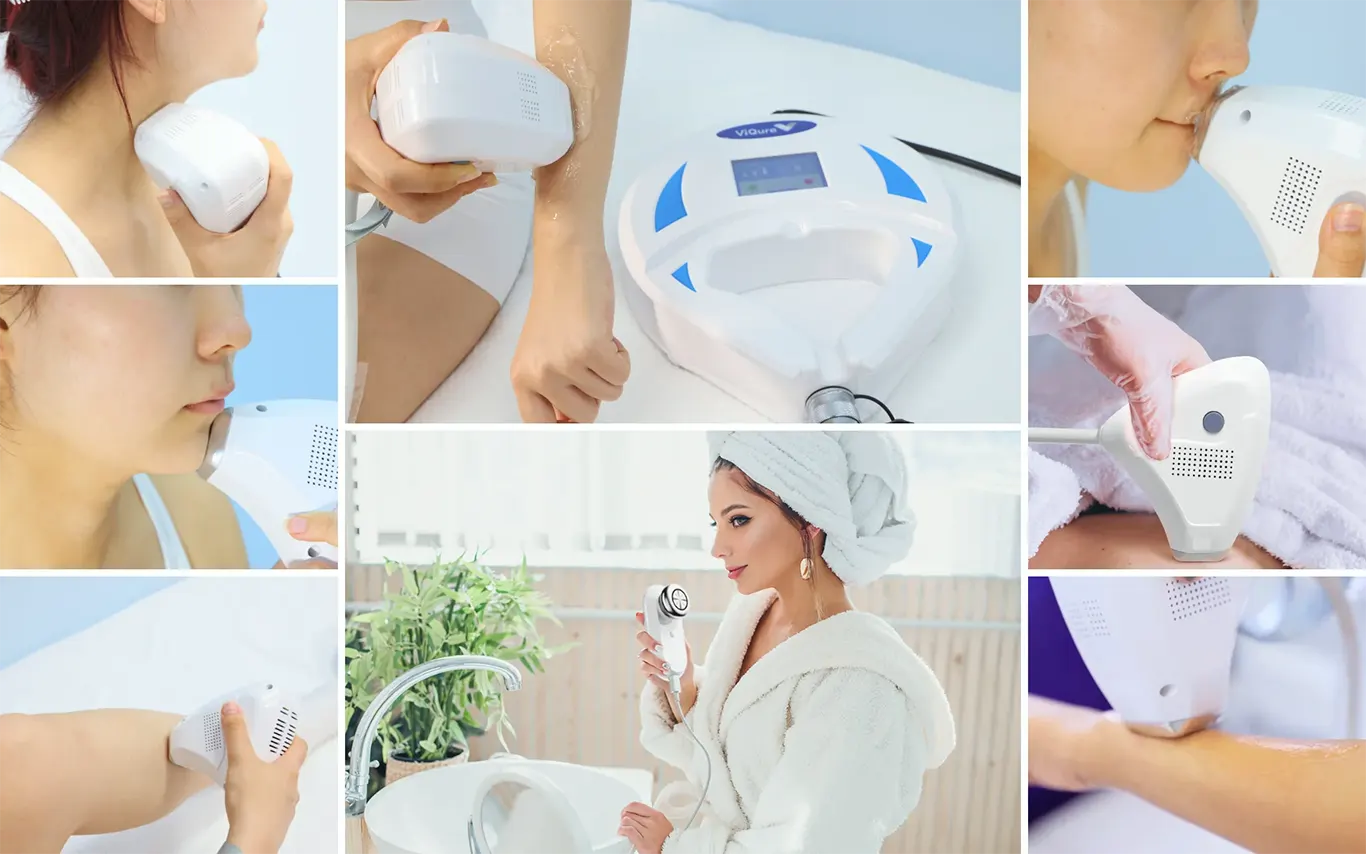
Unlike most at-home devices, the ViQure EpiPro operates with a diode laser instead of IPL.
Diode is one of the only four lasers used by physicians in professional laser hair removal. (The other lasers are Ruby, Alexandrite, and Nd:YAG. No portable versions of these other lasers are available at this time. IPL is not a laser; it is light technology.)
The use of a medical-grade diode laser over IPL already makes the ViQure EpiPro inherently superior to almost all at-home devices.[12]
Add to that, this device was built for commercial use.
That means it brings all the advantages of a commercial machine like power, durability, flexibility, and efficacy to a device that's portable and simple to use.
It also surpasses all IPL limitations on skin tone, hair color, and body parts.
Diode laser has also been clinically tested and proven to be effective on darker skin types, including Indian skin and African-American skin.[13, 14]
As an added bonus, it also doubles as a skin rejuvenation device, which is one of the benefits of diode lasers.
The only downside is that while it's an affordable laser machine for salons, it's quite high priced for individual use.
Not as expensive as professional services but still an investment compared to regular IPL machines.
However, if you want the highest chance of permanent results at home, the ViQure EpiPro is hands down your best bet.
Ideal for: All skin types, All body areas including between the eyebrows & Brazilian (No IPL device is FDA-approved safe for treating above the cheekbones & beyond bikini); Stubborn hair prone to re-growth with IPL, Multi-function device: Permanent Hair Reduction + Skin Rejuvenation
ViQure Coupon Codes
Get the best price with the latest premium promo and discount codes when you buy the ViQure EpiPro online. Sales and special gifts are limited-time offers.

The Bottom Line:
If you’ve been shopping for at-home IPLs, you’ll notice that almost all of them limit skin coverage to medium skin tones and naturally dark hair.
This is because the mechanism of laser hair removal itself called selective photothermolysis is very high risk for dark skin and ineffective at all for light hair.
IPL targets melanin and causes damage to it with continuous application.
Every hair removal machine's goal is to ensure that its heat energy is localized to just the melanin in the root of your hair, not the surrounding skin.
Unfortunately, no IPL or laser equipment outside of professional Nd:YAG machines and long-pulse diode can do this with dark skin tones without some degree of complications like burns.
Most devices can’t differentiate between melanin in the hair and the skin.
What makes Silk’n Infinity unique, however, is it doesn’t just use IPL but a combination of it with galvanic current.
Galvanic current opens your pores and gives the IPL more straightforward access to your hair follicle.
This process amplifies the device’s hair-eliminating ability and reduces the need for dangerously high energy fluences to achieve the same results.
This unique hair removal system is their proprietary eHPL™ (enhanced home pulse light).[15]
With its fool-proof automatic skin sensor, temporary pressure markings, longer wavelength, and low energy fluence—you'll have to really try for anything to go wrong using this device.
I've been using this at max level 5, and it only feels like a tiny, minute zap. It’s a great, relatively painless, and very safe option for sensitive skin, light hair, and skin tones up to Fitzpatrick VI.
The galvanic energy also gives you extra skin rejuvenation, a very nice addition, especially since EMS (electro-muscle stimulation or electrotherapy) treatments like this are very expensive. I wouldn’t mind a free 2-in-1 body rejuvenation!
That said, the Silk’n Infinity‘s superior safety measures seem to come at the expense of time and effort.
The estimated time to see results are within 5-6 months of recommended use. Quite a leap in comparison to other devices that averages 3-4 months.
This is also probably one of the reasons I’ve seen a good number of negative feedback.
If you’ve been conditioned by regular devices to see results in 12 weeks, you would be expecting the same here.
It’s important to remember, though, that ultimately, other IPL devices aren’t close to capable of treating light hair and dark skin.
This has been scientifically proven to work if you do it right—it just might take ages.
If you manage your timeframe and expectations, the Silk’n Infinity can deliver where other devices can’t.
Ideal for: Light to dark skin (Fitzpatrick I-VI), Sensitive Skin, Low pain tolerance, and people with time and patience.
Silk’n Infinity Coupon Codes
Get the best price with the latest premium promo and discount codes. Sales and special gifts are limited-time offers.

*at the time of publishing. Subject to change. *can't see any coupon codes? Try disabling any Adblockers.
+ Get the Best Prices Online


Winner: Red Dot Design Award 2020
The Bottom Line:
With its award-winning build & stylish product design, the JOVS Venus Pro is dubbed “The Dyson of Laser Hair Removal”.
This device has been clinically tested with over 11 internationally recognized safety certifications, making this one of the safest hair removal devices on the global market.
The JOVS Venus Pro has a laundry list of features that may be overwhelming at first glance, all unique for an at-home hair removal device.
- Optimal Pulse Technology (OPT™) – stabilizes scattered IPL light to deliver a more focused and controlled light energy. This means each flash using OPT™ will be more effective than plain IPL using the same energy level.
- Multi-Frequency Continuous Pulse Technology (MFCPT) – has a high energy repetition rate that reduces the risk for sensitive skin & low pain tolerance while keeping clinical efficacy.
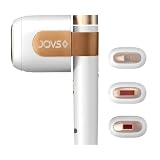
- SR Technology – red optical filter is for skin rejuvenation to improve wrinkles, pigmentation, vascular lesions, and skin laxity.
It also has a built-in Sapphire Skin-Cooling System that maintains a 5° C temperature, ensuring completely painless treatments.
The JOVS Venus Pro has 6 Energy levels + 6 Modes that ensures precise settings for different body parts.
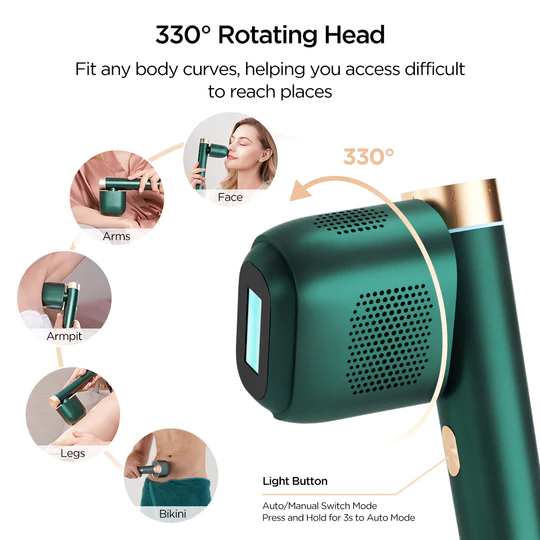
The 330-degree Rotating Head and 0.7 second flash (level 1) gives you comfortable, fast, and easy treatments.
It also has an extended product lifespan compared to most devices, carrying one of the highest flash count at 500,000+ flashes.
Your package will come with FREE IPL glasses and a shaving razor, saving you the extra cost.
Ideal for: Full body treatments; Fast, easy, and pain-free treatments especially for those with low pain tolerance
JOVS IPL Coupon Codes
Get the best price with the latest premium promo and discount codes when you buy online. Sales and special gifts are limited-time offers.




![JOVS [24J Energy] IPL Hair Removal, Painless Sapphire Ice-Cooling Tech, 6 Modes for Whole Body Hair Removal Device, 2 in 1 Skin Rejuvenation, 330° Rotation Hair Removal for Women Permanent](https://m.media-amazon.com/images/I/41TiFCV0pLL._SL160_.jpg)


Winner: ELLE Editor's Choice 2021, Dermatologically accredited by the Skin Health Alliance
The Bottom Line:
Braun and its parent company, Gillette, stand out with a legacy of being leaders in the industry for over a century.
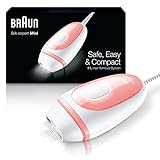
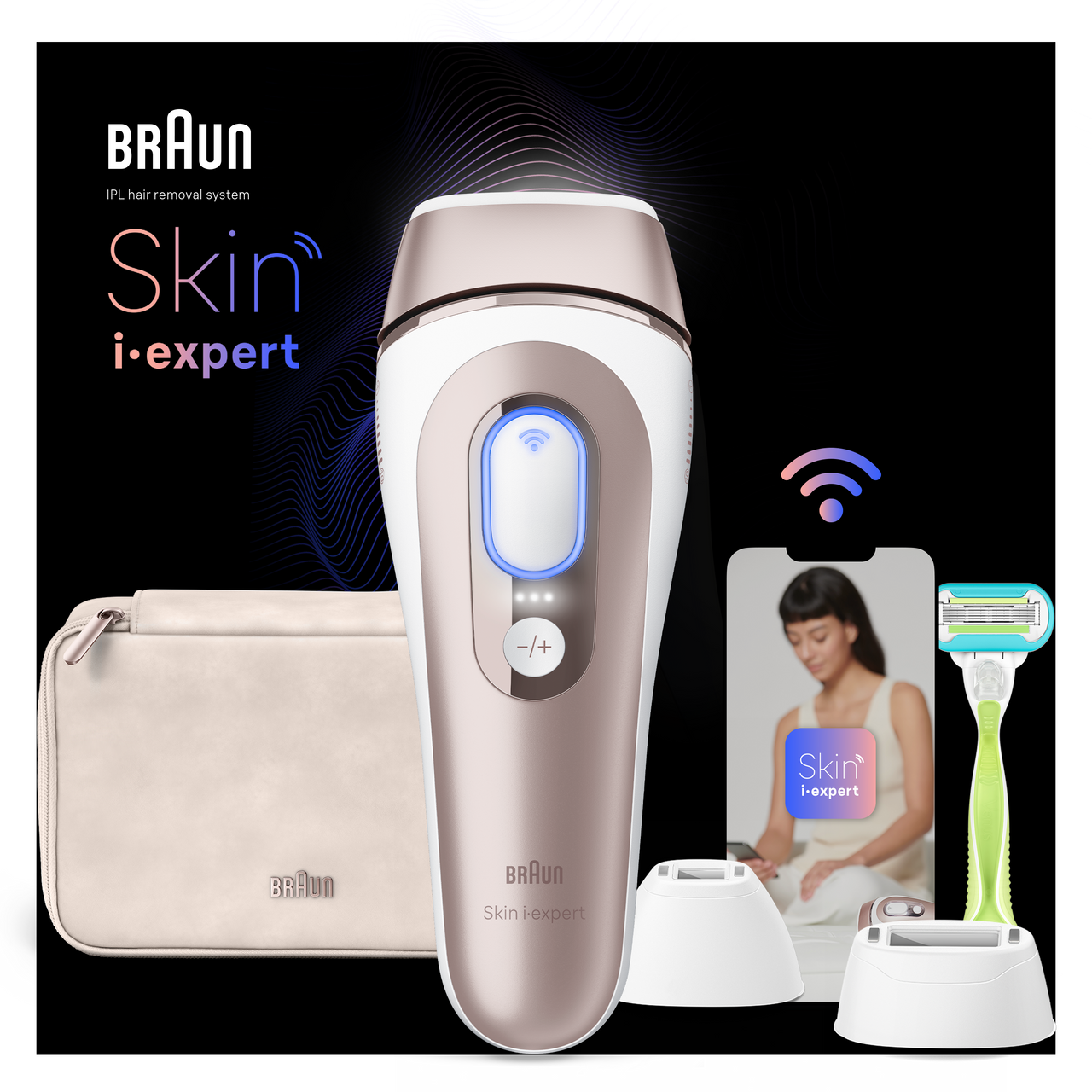
Recently, we tested their Silk-Expert Pro 5, and it proved to be one of the most user-friendly home IPL systems.
Features like its impressively quick flashing speed, ranging from 0.5 to 0.9 seconds per cycle at its best, translate to faster and more convenient treatments.
A standout element is Braun's proprietary technology, SensoAdapt™. This intelligent system reads your skin tone 80x per second, automatically adjusting IPL flashes to ensure optimal energy fluence.
This simplifies the process and elevates safety, particularly for individuals with varying skin tones and those prone to tanning.
If you want to learn more, you can check out our detailed review below.
Braun IPL Coupon Codes
Get the best price with the latest premium promo and discount codes when you buy the Braun laser hair removal device online. Braun hair removal sales and special gifts are limited-time offers.
*at the time of publishing. Subject to change.
+ Get the Best Prices Online




Winner: Vogue's Best Laser Hair Removal Device of 2023
The Bottom Line:
Our team reviewed this device for a month, one week more than the advertised duration, for testing.
We're happy to report that this Tiktok-famous IPL delivered and lived up to the hype.
Our tester saw results in a month, with only a few strands left on her axilla (underarm).
The Ulike Sapphire Air3 made the hair removal process quick and virtually pain-free, with undeniable results in just a few weeks.
These are some of its key advantages over other home IPL devices:
- Over 30 international safety certifications
- 1 Million built-in flashes, one of the highest in IPLs
- An industry-leading 0.7 second flash speed for quick treatments
- A large spot size of 3.2 cm2 allows it to cover more skin per flash
- Proprietary Sapphire ICE Cooling System for painless treatments
- FREE razor and IPL glasses
That said, it's not perfect, and there are still drawbacks to note:
- Subject to the limitations of IPL devices, where it's only effective on light to medium skin tones and dark hair.
- Our tester found the flashes too bright, even with the glasses.
- Its auto flashes can be inconsistent when used for long periods
We have more details in our expert’s in-depth review, if you’re keen on delving into more of the details.
But our verdict overall: if you're looking for an effective, portable, pain-free IPL device, the Ulike Sapphire Air3 is hands down one of the best money can buy.
Ulike Discount Codes & Coupon Codes
Get the best price with the latest premium promo and discount codes when you buy the Ulike Sapphire Air3 online. Sales and special gifts are limited-time offers.
The Bottom Line:
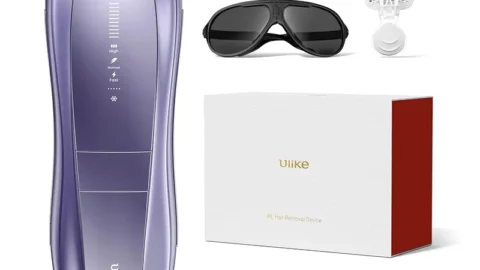
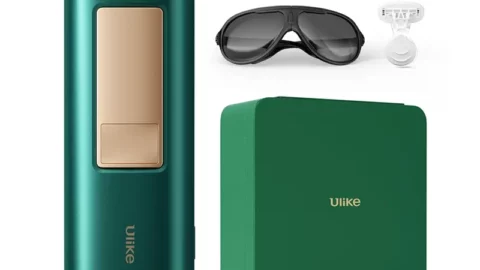
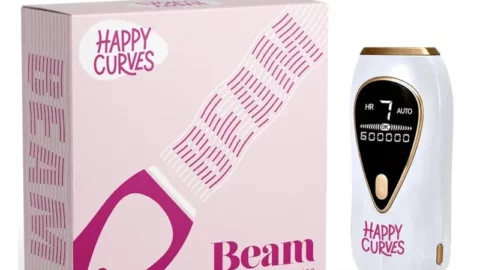
The Beam IPL is a beginner-friendly device boasting technical specs that rival high-end brands.
It has a digital display for easy operations and a counter that tracks your flashes. This is something rare, even in expensive flagship devices.
The Beam IPL also has 600,000 flashes, equivalent to 20 years of treatments, and comes with UV sunglasses and a shaver at no extra cost.
Most impressive of all is its premium safety mechanisms.
It has skin contact sensors and a skin-sensing feature reminiscent of Braun's “SensoAdapt” and SmoothSkin's “Smart Skin.”
It's not an exact replica of the proprietary tech, as it scans and flashes a lot slower, but it's a decent compromise, given its price point.
We delve into these comparisons in more detail in our review if you're interested.
Overall, the Beam IPL is a very impressive device that delivers results and value for money without compromising safety and efficacy.
Happy Curves Coupon Codes
Get the best price with the latest premium promo and discount codes when you buy online. Sales and special gifts are limited-time offers.
*at the time of publishing. Subject to change.
Nd:YAG Laser Hair Removal for Dark Skin at Home
Nd:YAG is known to be effective and safe for darker skin tones.
However, no Nd:YAG lasers are available for personal use at home.
The next best thing is a diode laser capable of operating at the wavelength required to treat dark skin.
For years, the only portable diode laser machine is the Tria 4x but it's limited wavelength only made it safe for Fitzpatrick I-IV.
Recently, a hybrid salon/home machine called the Viqure EpiPro has entered the market. It uses an 808nm diode laser and can treat any skin type, hair color, and body part with great efficacy.
It's currently the best choice if you are on the Fitzpatrick V-VI skin type.
Additional Safety Considerations for Darker Skin Tones
- Test Patching – Before using the device on larger areas, it's advisable to perform a small test patch to gauge the skin's reaction. This precautionary measure helps identify any potential sensitivity or adverse effects before full application.
- Moisturization and Aftercare – Dark skin tends to be more prone to dryness and irritation. Recommending appropriate moisturization and aftercare practices can minimize potential side effects and ensure a smoother post-treatment experience.
Related: The Best Cooling Gels for Laser Hair Removal, At-Home Laser Hair Removal Aftercare: The Ultimate Guide by a Dermatologist
Factors to Consider When Choosing a Home Laser Hair Removal Device for Dark Skin
- Wavelength Suitability for Dark Skin – Select a device with a wavelength (around 800-1064 nm) for deep penetration, minimizing melanin absorption in the epidermis.
- Cooling Mechanisms – Devices with built-in cooling mechanisms helps mitigate the heat generated by the laser, enhancing comfort and reducing the risk of complications for darker skin.
- Skin Tone Sensors – Devices equipped with skin tone sensors can assess your skin tone and adjust the energy levels accordingly. This helps prevent excessive energy absorption by melanin in the skin, reducing the risk of adverse reactions.
- Advanced Technologies – Choose devices with diode lasers or specialty IPLs, known for safety on darker skin. Features like adjustable intensity, skin tone sensors, or cooling mechanisms enhance performance.
- Clinical Validation – Opt for FDA-approved devices with clinical testing for efficacy and safety on darker skin tones.
- Ergonomic Design – Choose devices with an ergonomic design for comfort and maneuverability.
- User-Friendly Interface – Opt for devices with intuitive controls and clear instructions, ensuring a stress-free experience, especially for first-time users.
- Portability and Storage – Consider portable devices for easy integration into your lifestyle.
Understanding these challenges and considerations allows you to confidently choose a home laser hair removal device, ensuring safety and effectiveness for darker skin tones.
References:
- Alexis, A. F. (2013). Lasers and light‐based therapies in ethnic skin: treatment options and recommendations for Fitzpatrick skin types V and VI. British Journal of Dermatology, 169(s3), 91-97.
- Lanigan, S. W. (2003). Incidence of side effects after laser hair removal. Journal of the American Academy of Dermatology, 49(5), 882-886.
- Town, G., & Ash, C. (2009). Measurement of home‐use laser and intense pulsed light systems for hair removal: Preliminary report. Journal of Cosmetic and Laser Therapy, 11(3), 157-168.
- Lim, S. P. R., & Lanigan, S. W. (2006). A review of the adverse effects of laser hair removal. Lasers in medical science, 21, 121-125.
- Casey, A. S., & Goldberg, D. (2008). Guidelines for laser hair removal. Journal of Cosmetic and Laser Therapy, 10(1), 24-33.
- Haedersdal, M., & Wulf, H. C. (2006). Evidence‐based review of hair removal using lasers and light sources. Journal of the European Academy of Dermatology and Venereology, 20(1), 9-20.
- Arsiwala, S. Z., & Majid, I. M. (2019). Methods to overcome poor responses and challenges of laser hair removal in dark skin. Indian journal of dermatology, venereology and leprology, 85, 3.
- Battle Jr, E. F., & Hobbs, L. M. (2004). Laser‐assisted hair removal for darker skin types. Dermatologic therapy, 17(2), 177-183.
- Gold, M. H., Biron, J., Wilson, A., Viera‐Mármol, G., Lamas, R. E. V., Castillejos‐Pallàs, M., & Ferrández‐Martínez, J. A. (2022). Safety and efficacy for hair removal in dark skin types III and IV with a high‐powered, combined wavelength (810, 940 and 1060 nm) diode laser: A single‐site pilot study. Journal of Cosmetic Dermatology, 21(5), 1979-1985.
- Adrian, R. M., & Shay, K. P. (2000). 800 nanometer diode laser hair removal in African American patients: a clinical and histologic study. journal of Cutaneous laser Therapy, 2(4), 183-190.
- AL-Hamamy, H. R., Saleh, A. Z., & Rashed, Z. A. (2015). Evaluation of effectiveness of diode laser system (808 nm) versus Intense Pulse Light (IPL) in the management of unwanted hair: A split face comparative study. International Journal of Medical Physics, Clinical Engineering and Radiation Oncology, 4(01), 41.
- Klein, A., Steinert, S., Baeumler, W., Landthaler, M., & Babilas, P. (2013). Photoepilation with a diode laser vs. intense pulsed light: a randomized, intrapatient left‐to‐right trial. British Journal of Dermatology, 168(6), 1287-1293.
- Pall, A., & Viera-Mármol, G. (2022). Triple Wavelength and 810 nm Diode Lasers for Hair Removal: A Clinical and in Silico Comparative Study on Indian Skin. Journal of Cosmetics, Dermatological Sciences and Applications, 12(4), 164-173.
- Greppi, I. (2001). Diode laser hair removal of the black patient. Lasers in Surgery and Medicine: The Official Journal of the American Society for Laser Medicine and Surgery, 28(2), 150-155.
- Gold, M. H., & Goren, H. (2015). The Effect of Novel Low Energy Pulsed Light Combined with Galvanic Energy for Home-Use Hair Removal of Dark Skin. Journal of Cosmetics, Dermatological Sciences and Applications, 5(04), 283.
